
The Best TV Shows on Magyar Televízió
Every Magyar Televízió Show Ranked From Best To Worst
Dive into our updated selection of Magyar Televízió’s finest, featuring more than 20 series as of October 2026. A broadcaster of distinction, Magyar Televízió has aired more than 20 shows between 1964 and N/A. For top-tier entertainment, Magyar Televízió delivered Captain Tenkes and Gustavus in 1964 and 1966.
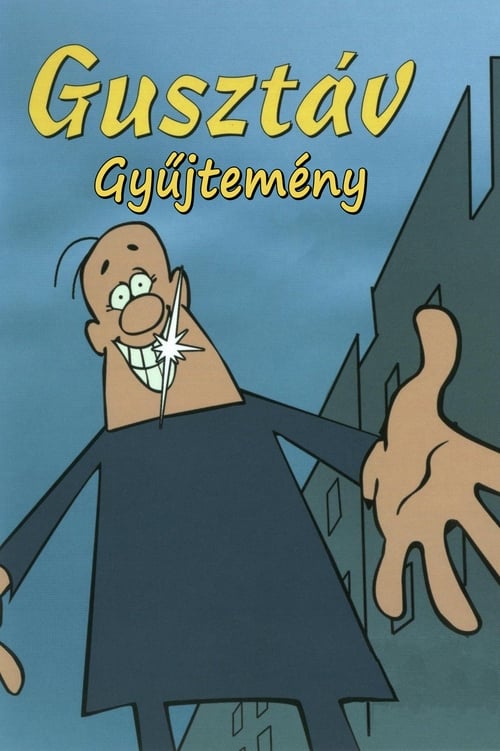 Gustavus (1966)10.0
Gusztáv, also known as Gustavus, was Hungarian series of animated short cartoons for adults. It was extremely popular in Eastern Europe, where it has achieved cult status. It ran from 1964-1977. Each episode tells an adventure of the main character, Gustav, related to the gray realities of urban life. Characteristic feature of the show was that episodes were independent: for example, Gustav is sometimes a bachelor, sometimes has large family. In Eastern Europe and Yugoslavia the episodes were broadcast on TV in the 80s, usually as airtime filler. The series was also broadcast in Western Europe and even in New Zealand - because it was not using language, other than gibberish sound, it was able to easily transcend boundaries.
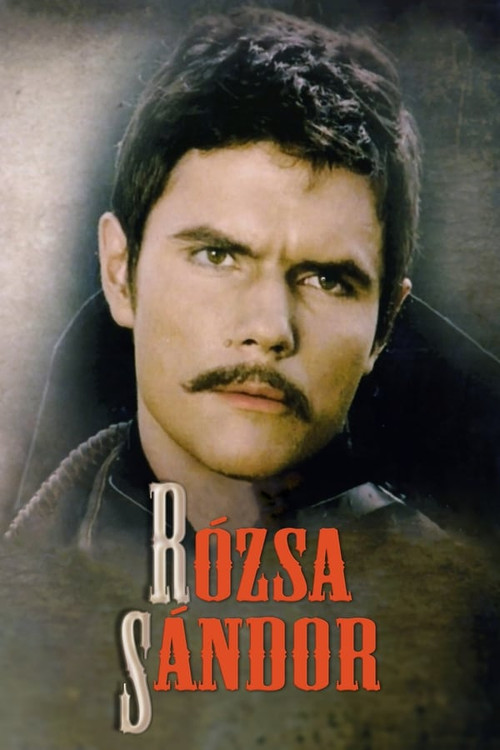 Rózsa Sándor (1971)10.0
The rise and fame of Sándor Rózsa, the infamous outlaw of 19th century Hungary.
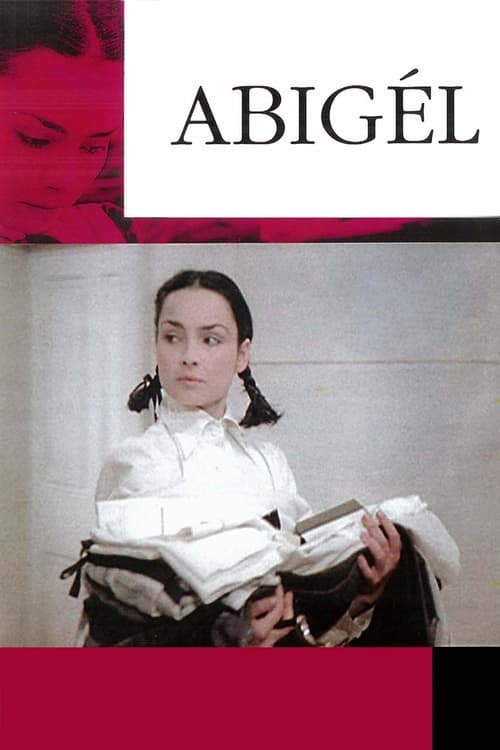 Abigel (1978)10.0
The story takes place during World War II. Vitay Georgina is enrolled by her father, General Vitay, in the completely closed, residential Calvinist Matula Girls' Institute in the town of Árkod, on the outskirts of the country. He does not tell Gina why, as her new classmates would accept her, but after she fights with them over a silly game and betrays them, she is ostracised.
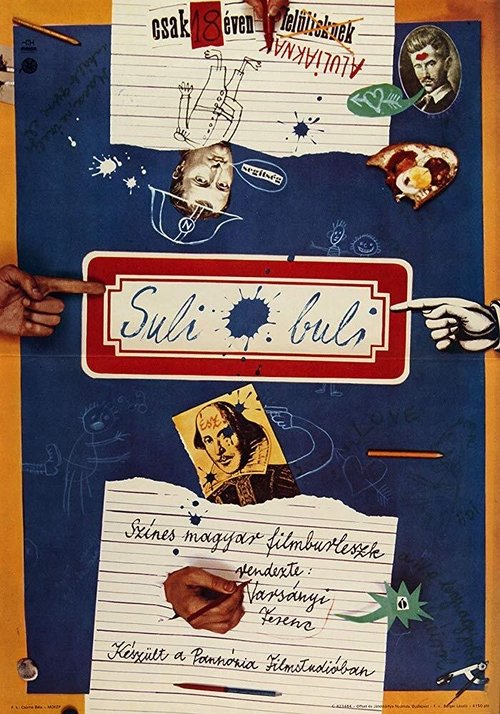 Schooltime Blues (1980)9.0
In the spirit of Frigyes Karinthy, an amusing pixilation burlesque about the everyday life of a graduating class, starring pantomime actors.
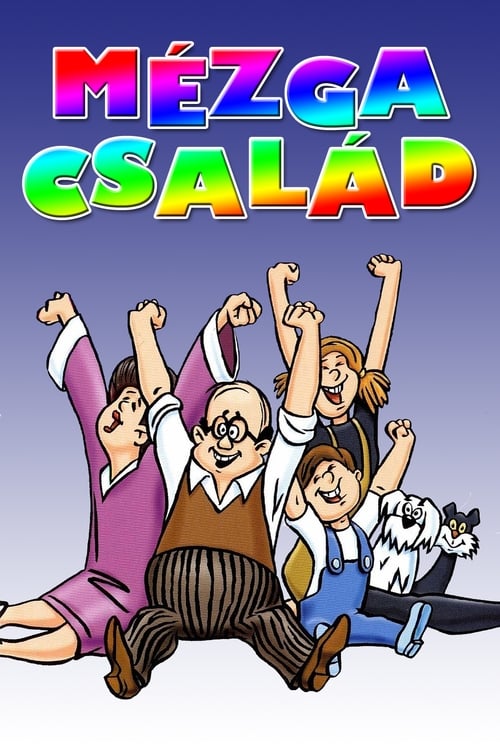 Mézga család (1970)8.3
The family consists of Géza, the father, a comical and inept figure, his wife Paula who actually dominates family affairs, pubertal daughter Kriszta and 12-year-old son Aladár, a child prodigy. The cat Maffia and a dog, Blöki accompany the family. Dr. Máris, their cynical neighbour, is regularly and unvoluntarily involved in disasters surrounding the family.
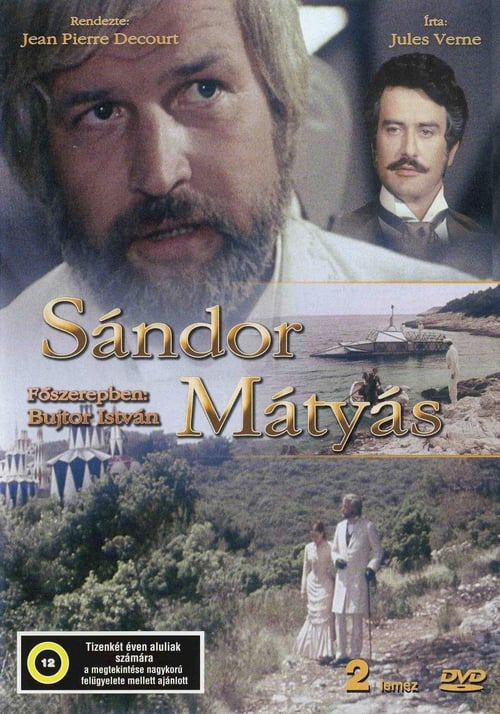 Sándor Mátyás (1979)8.3
Count Mátyás Sándor is the protagonist of this exciting series based on the popular novel by Jules Verne. In 1859, after the defeat of the Habsburgs in Italy, the wealthy Transylvanian lord sees the time has come to launch another armed struggle for Hungary's independence. The Viennese Chamberlain, however, learns of his activities and decides to 'liquidate' him. Two adventurous criminals are commissioned to carry out the assassination.
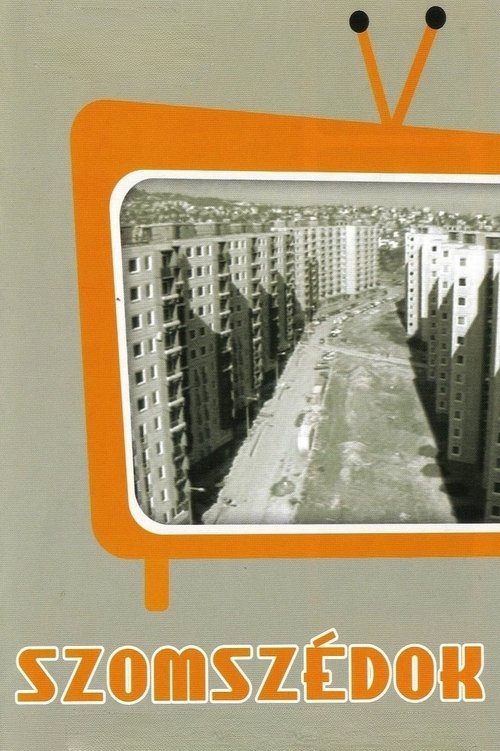 Szomszédok (1987)8.2
Szomszédok was a Hungarian television series, occasionally called the Hungarian Dallas, that ran from 1987–1999 and produced 331 episodes, airing its grand finale on December 31, 1999. The series was a soap opera, dealing with the lives of ordinary people, living and working in or around an average lakótelep. Its characters were explored, over time, in equal depth: ranging from elderly pensioners, busy middle aged professionals, up-and-coming young people, and children growing into their teens. Many consider Szomszédok to be the definitive Hungarian television series, being a period piece of sorts that covers the last few years of the communist era, the rendszerváltozás, and nearly a decade of the new market economy Hungary thereafter.
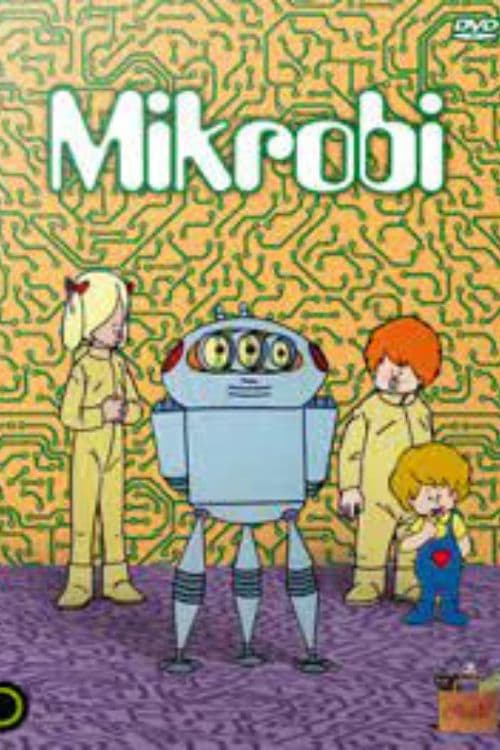 Mikrobi (1975)8.0
Hungarian cartoon. Mikrobi is a robot that has three eyes, a stretchy neck and takes care of the three children traveling across the cosmos. The biggest problem Mikrobiego is a small urchin Pepe, who constantly wants to play with him and boredom reprogrammed the robot to fulfill his cravings.
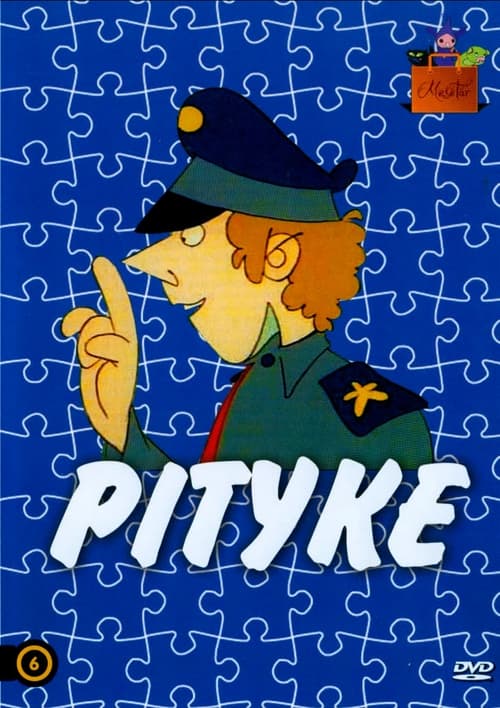 Pityke (1981)8.0
Pityke is a Hungarian animation about Hungarian police and funny crime stories for children and the young.
 Fapad (2014)7.8
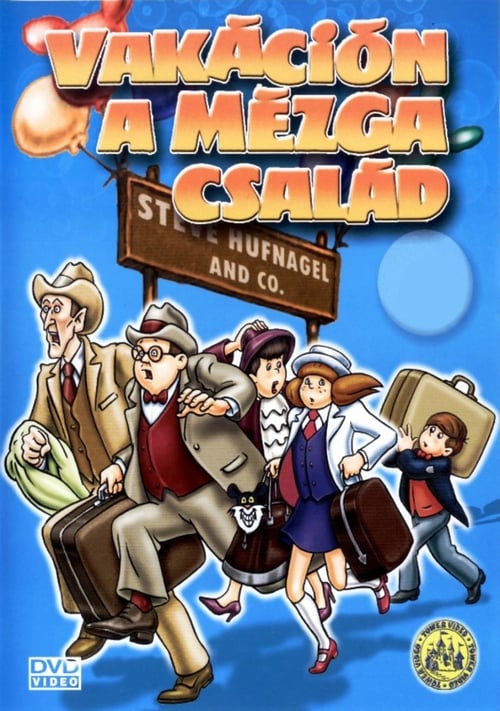 Vakáción a Mézga család (1980)7.4
The exciting summer adventures of the Mezga family is followed on an uninhabited island, for example, which is perhaps not uninhabited after all? And how will Maris neighbour become the next Minister of Health? And how does the Mezga's family escape from the captivity of the mafia? Everything will be revealed if you look at the Mezga family vacation stories.
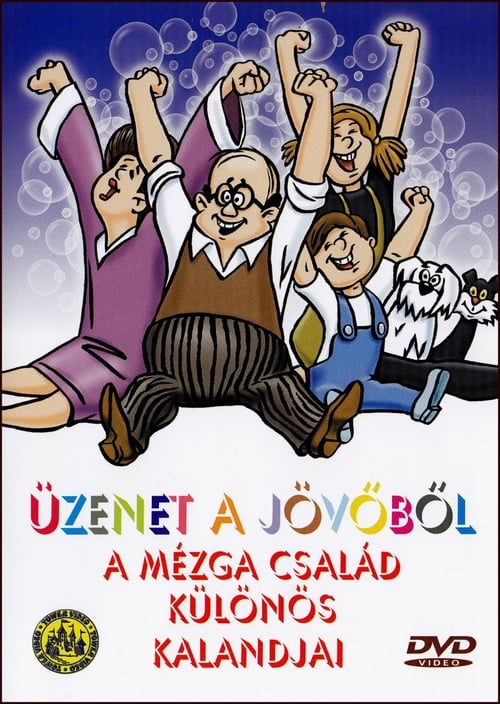 Üzenet a jövőből - A Mézga család különös kalandjai (1970)7.1
Geza Mezga, Paula, teenager Kriszta their daughter and the restless little child, Aladar. So they are the Mezga family. Maybe Maris neighbour should also be counted here. They are always embroiled in extremely strange adventures, thanks to their "distant" relative, MZ/X discovered by Aladar. With the help of Aladar's own radio transceiver, they get in touch with their thirtieth-century relative. Incredible things happen suddenly in an otherwise ordinary family.
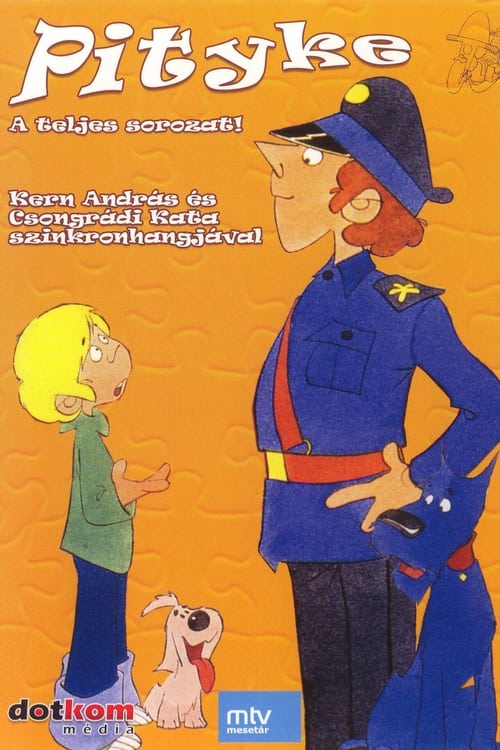 Pityke (1981)7.0
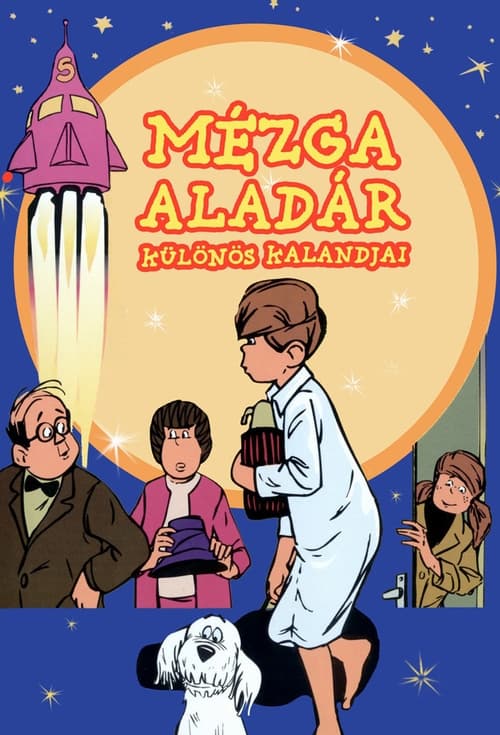 Mézga Aladár különös kalandjai (1972)6.9
Every night Aladár visits a different inhabited planet using an inflatable interstellar cosmic ship with his talking dog Blöki.
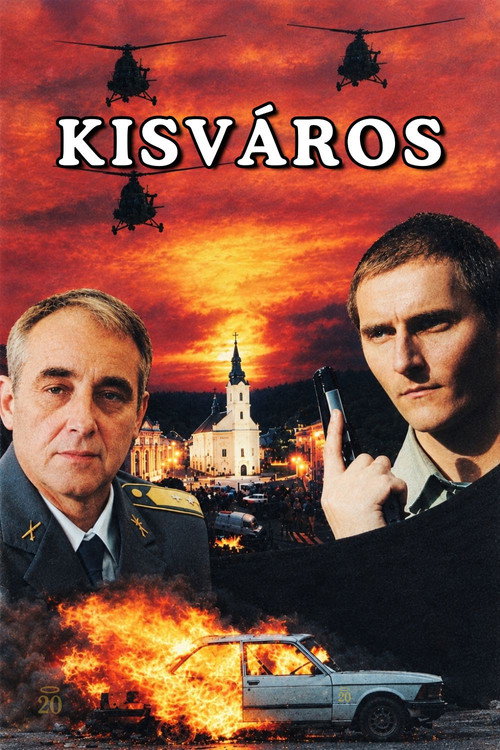 Kisváros (1993)6.8
A Kisváros egy színes, 195 részes magyar akciófilm-sorozat, ami 1993–2001 között futott a Magyar Televízióban. A történet középpontjában egy, a valóságban nem létező határmenti kisváros, Végvár áll. Ebbe a városba érkezik Hunyadi főtörzs, hogy a Határőrség akciószázadát kiképezze. A sorozat a rendőrség és a határőrség határmenti bűncselekmények ügyében való nyomozások terén történő együttműködését mutatja be, minden epizód egy-egy önálló történet, a kiemelt főszereplőkké később Járai rendőr őrnagy és beosztottja, Balogh Máté zászlós válnak. A sorozat jeleneteinek jelentős részét Szigetváron, valamint a bucsui és a bozsoki határátkelőnél forgatták. A sorozatot az MTV-n kívül 2002 táján a Hálózat TV is vetítette, a teljes sorozatot az m1 2007. június 8. és 2008. március 31. között ismételte, 2009. június 1. és szeptember 18. között ismét leadta, de akkor csak a 21. résztől a 157. részig a 156/I-II. rész kihagyásával, 2011. szeptember 5. és szeptember 30. között ismét leadta, de csak az 1. résztől a 25. részig, 2011. október 3-tól 2012. június 1-ig a Duna Televízió folytatta a sorozat ismétlését a 21. résztől a 195. részig, majd 2012. június 11. és 2013. február 11. között a Duna World is műsorra tűzte, szintén a 21. résztől a 195. részig. 2013. január 4. és március 8. között péntekenként a hajnali órákban az m2 is műsorra tűzte a sorozatot, de csak a 21. résztől a 30. részig adta le. 2013. június 17-től ismét műsorra tűzte a Duna Televízió a 21. résztől.
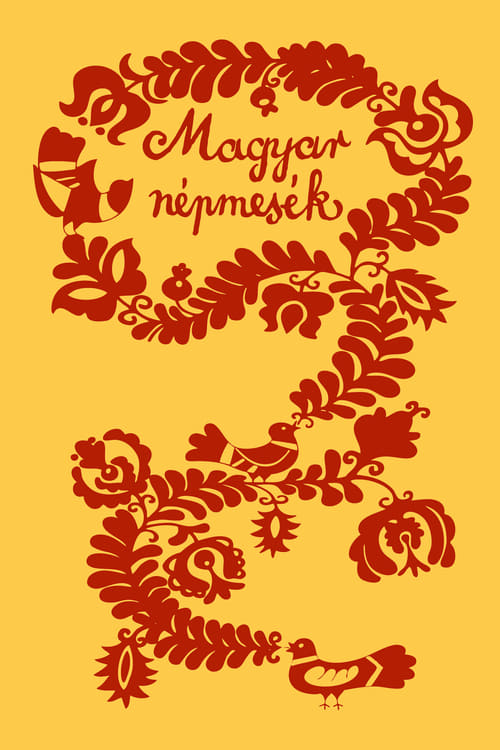 Hungarian Folktales (1977)6.5
Hungarian Folktales is a Hungarian animated series. Each episode is based on a Hungarian folk tale. The creators paid special attention to using Hungarian folk motives in the episodes.
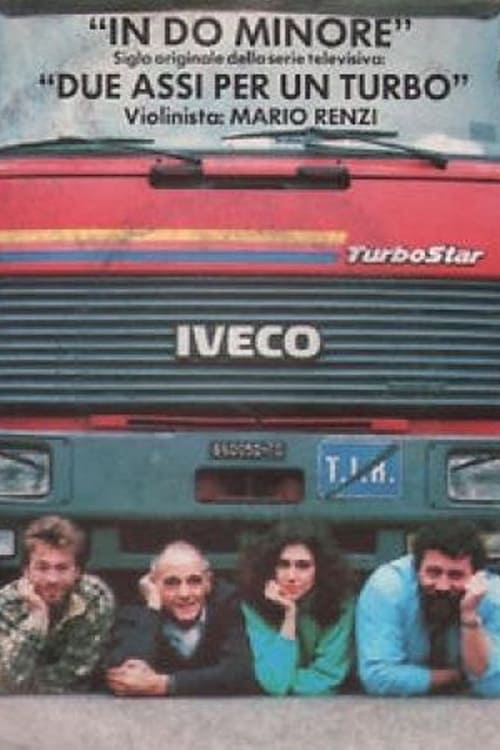 T.I.R. (1984)6.0
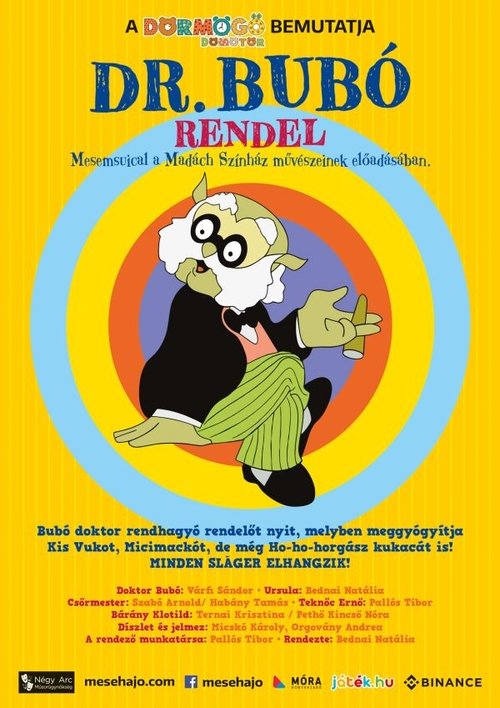 Kérem a következőt! (1975)5.9
Dr. Bubó is a short-eared owl who, after obtaining his medical degree with excellent qualifications , sets up his clinic inside an oak tree, where he heals the sick inhabitants of the forest with the help of his assistant - the nurse of the clinic - Nurse Ursula.
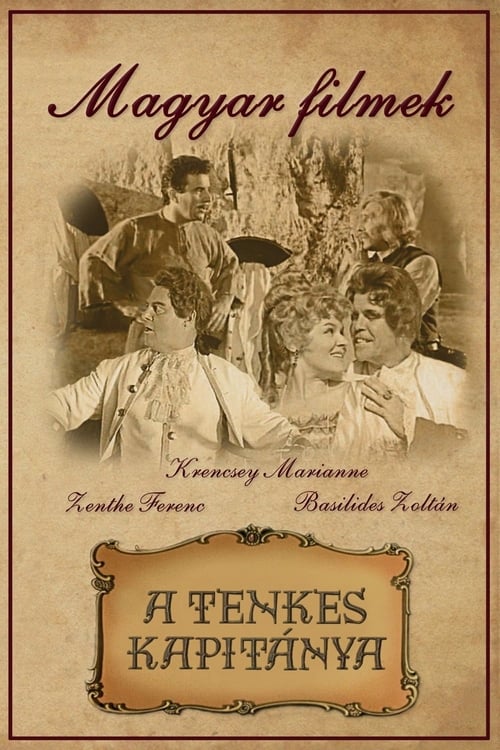 Captain Tenkes (1964)5.5
During the Rákóczi's War of Independence in South Baranya, in Vienna, Colonel Eberstein is assigned by the Council of Warriors to dispose of the Kuruc army operating in the vicinity of Siklós.
 Hofi Tükre (DVD) (N/A)N/A